
Indoor Air Quality Monitoring Glossary: Key Terms, Concepts, and Technologies
Indoor air quality (IAQ) plays a critical role in health, comfort, and productivity within buildings. Whether you manage commercial properties, healthcare environments, or residential spaces, understanding the terminology behind air monitoring is essential.
This glossary from Air1Testing covers the most important keywords and concepts in indoor air quality monitoring to help you better understand the field—and improve your building’s environmental performance.

Indoor Air Quality
IAQ
Indoor Air Quality refers to the condition of the air inside buildings, particularly as it relates to the health and comfort of occupants. Poor IAQ and IEQ can result from pollutants, inadequate ventilation, or high humidity levels, and is linked to respiratory issues, fatigue, and reduced cognitive performance. Monitoring IAQ is the foundation of creating safe and healthy indoor environments.
Air Quality Monitoring
IAQM
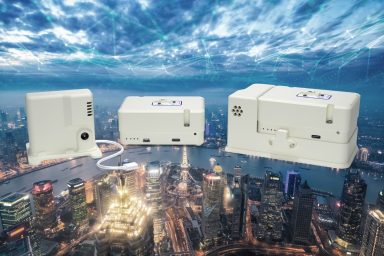
Air quality monitoring involves the measurement of pollutants and environmental conditions within a space. This process uses sensors and instruments to track factors like particulate matter, gases, temperature, and humidity in real time. Continuous monitoring helps identify issues early and ensures compliance with health and safety standards.
Particulate Matter
PM10, PM2.5 & PM1
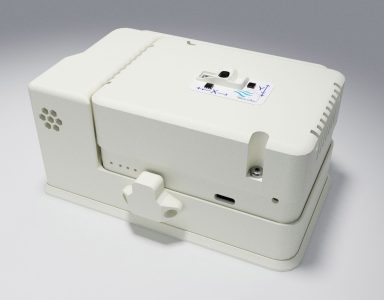
articulate matter consists of tiny particles suspended in the air. PM10 refers to particles smaller or equal to 10 microns, while PM2.5 (fine particles) up to 2.5 microns. These particles can penetrate deep into the lungs and even enter the bloodstream, making them a major concern in indoor air quality monitoring.
We also need to consider ultra fine UFP's
Carbon Dioxide
(CO₂)
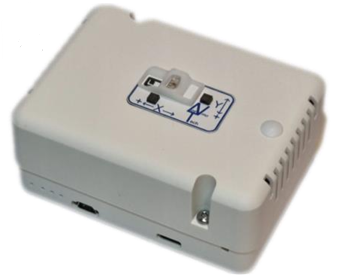
Carbon dioxide is commonly used as an indicator of ventilation effectiveness. High CO₂ levels indoors typically suggest inadequate fresh air exchange, which can lead to drowsiness and reduced cognitive function. Monitoring CO₂ helps optimize ventilation systems and improve occupant comfort.
Volatile Organic Compounds
VOC
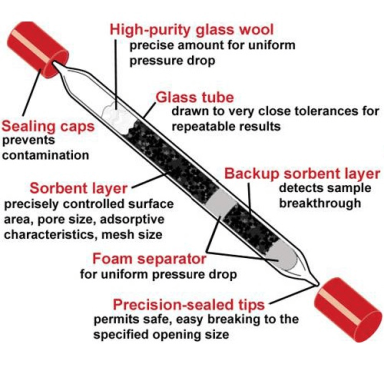
VOCs are gases emitted from products such as paints, cleaning supplies, furnishings, and building materials. Exposure to high VOC levels can cause headaches, irritation, and long-term health effects. Monitoring VOCs is essential in both new and occupied buildings to maintain safe air quality levels. Formaldehyde is a type of VOC
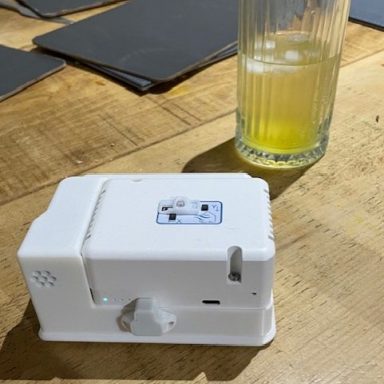
Temperature and Humidity
T and RH
Temperature and relative humidity significantly impact indoor comfort and air quality. High humidity can promote mold growth, while low humidity can cause dryness and irritation. Maintaining optimal levels helps support occupant well-being and prevent structural issues within buildings.
Ventilation Rate
vr
Ventilation rate refers to the amount of outdoor air brought into a building. Proper ventilation dilutes indoor pollutants and maintains oxygen levels. Monitoring and adjusting ventilation rates is critical for ensuring compliance with building standards and maintaining healthy indoor environments. Often Carbon dioxide is used as a proxy for ventilation, however it can be contra indicating to the actual air flow.
We recommend actual air flow measurement from The BuiltAir by Nosmotech
Heating, Ventilation, and Air Conditioning
HVAC
HVAC systems are responsible for controlling indoor temperature, airflow, and air filtration. A well-maintained HVAC system plays a central role in indoor air quality. Monitoring HVAC performance helps identify inefficiencies and ensures proper air circulation and filtration. The need for the most accurate sensor measurment is essential
Air Exchange Rate
ACH
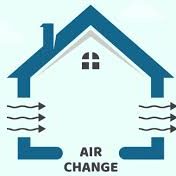
Air Changes per Hour (ACH) measures how many times the air within a space is replaced in an hour. A higher ACH indicates better ventilation and pollutant removal. This metric is particularly important in healthcare settings, laboratories, and high-occupancy buildings.

Airborne Contaminants
contaminants
Airborne contaminants include dust, allergens, bacteria, viruses, and chemical pollutants present in the air. These contaminants can impact health and productivity. Monitoring helps detect and mitigate risks before they become serious issues.

Building Management Services
BMS
A Building Management System is an integrated platform used to monitor and control building operations, including HVAC, lighting, and environmental conditions. Integrating air quality monitoring into a BMS allows for automated responses and improved energy efficiency.
Mould
ventilation?
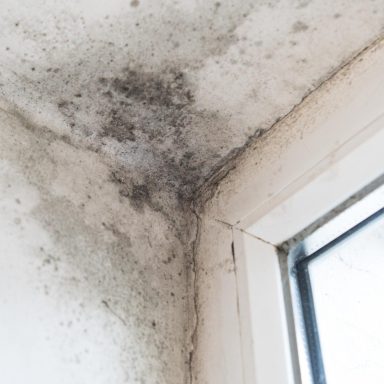
Mould growth is often caused by excess moisture and poor ventilation. It can release spores into the air, leading to respiratory problems and allergic reactions. Monitoring humidity and temperature are important but also ventilation- airflow levels is key to preventing mould-related issues in buildings. Sometimes CO2 is used as a proxy
Smart Sensors
IoT
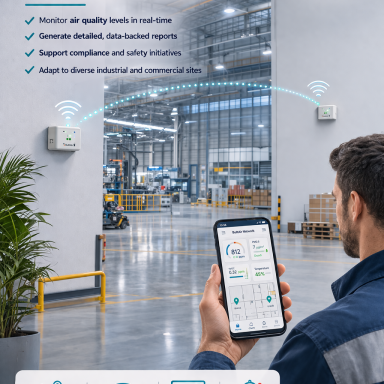
.Modern air quality monitoring relies on smart sensors connected through the Internet of Things (IoT). These devices provide real-time data, remote access, and analytics, enabling proactive management of indoor environments.
Air Quality Data
Real Time
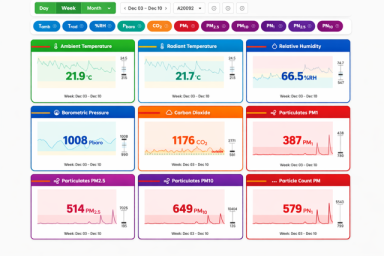
Real-time data allows building managers to instantly assess indoor conditions and respond quickly to changes. This improves safety, supports compliance, and enhances occupant confidence in the environment.

Adrian Thiedeman
Customer support
Adrian has spent over 20yrs in the air monitoring sector, covering:
- Stack emission monitoring.
- Air quality monitoring
- COSHH workplace monitoring
- Indoor air quality monitoring.
Air Quality Index
AQI
The Air Quality Index is a standardized scale used to communicate how polluted the air is and its potential health effects. While often used for outdoor air, AQI concepts are increasingly applied indoors to simplify complex data for occupants.
Filtration
HEPA
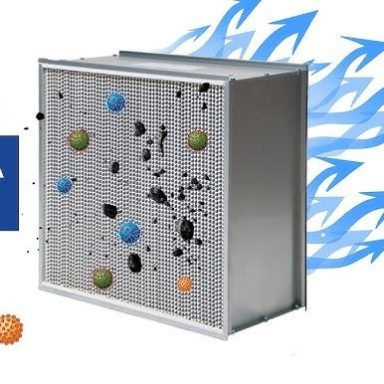
High-Efficiency Particulate Air (HEPA) filters are designed to capture at least 99.97% of airborne particles. Effective filtration is a key component of indoor air quality management, particularly in sensitive environments like hospitals and laboratories.
Occupational Health
Productivity
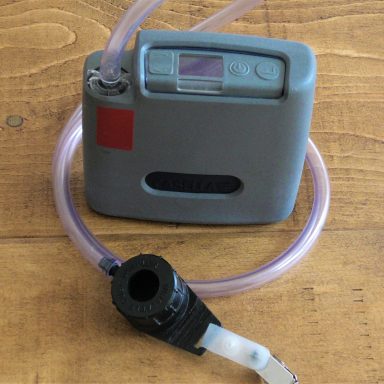
Indoor air quality has a direct impact on occupant well-being, cognitive performance, and productivity. Studies show that cleaner air leads to better decision-making, fewer sick days, and improved overall satisfaction in workplaces and homes.
Compliance Standards
WHO, ASHRAE
Organizations such as ASHRAE and the World Health Organization provide guidelines for maintaining safe indoor air quality. Monitoring systems help ensure compliance with these standards and demonstrate a commitment to health and safety.

Environmental Monitoring
Project Management
Environmental monitoring extends beyond air quality to include noise, light, and other factors that influence indoor conditions. A holistic approach ensures that buildings provide safe, comfortable, and efficient environments.